
Pharma Manufacturing Training for Maintenance Teams
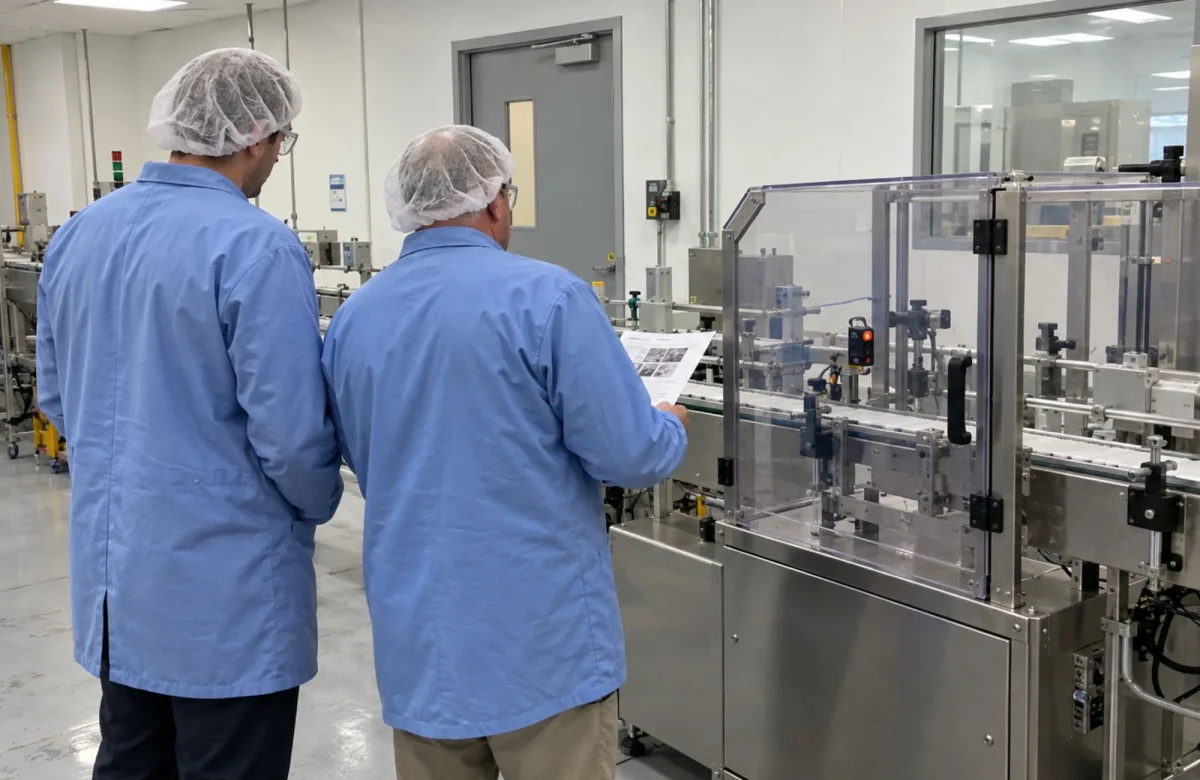
Pharma manufacturing training helps maintenance teams develop the technical skills needed to keep equipment reliable, troubleshoot faults, and support safe production. For pharmaceutical manufacturers, an effective training program combines mechanical, electrical, and instrumentation instruction with the facility’s good manufacturing practice (GMP) requirements and equipment qualification procedures.
Even routine maintenance can affect production schedules, equipment readiness, and product quality. Technicians must understand the systems they maintain and follow approved procedures before returning equipment to service.
For L&D directors, the challenge is delivering consistent technical training across departments and shifts while identifying workforce skill gaps. Plant managers need a workforce equipped to handle maintenance issues within approved site procedures. A structured training program connects these priorities with the technical skills employees need on the job.
Request a demo for your pharma plant to explore technical training options for your maintenance workforce.
Why Does Pharmaceutical Manufacturing Require Specialized Technical Training?
Pharmaceutical manufacturing involves equipment and processes operating under strict quality controls. Maintenance technicians may work on process pumps, production machinery, automated controls, environmental systems, and instruments that influence critical manufacturing conditions.
The FDA’s 21 CFR 211.25 personnel qualification requirements establish that employees involved in drug manufacturing must have appropriate education, training, or experience for their assigned functions. Applicable CGMP training must also continue at a frequency sufficient to maintain familiarity with relevant requirements.
For maintenance managers, this creates two connected training responsibilities:
-
Industrial technical training: Develop the electrical, mechanical, instrumentation, and troubleshooting knowledge employees need to maintain equipment.
-
Plant-specific GMP training: Teach the procedures, documentation practices, authorization requirements, and quality controls that apply to their work.
These responsibilities overlap, but they are not interchangeable. A technician may understand how to replace a pressure transmitter yet still require site-specific qualification and authorization before working on equipment associated with a validated manufacturing process.
A complete training plan addresses technical knowledge alongside the facility’s operating and quality-system requirements.
Essential Technical Skills for Pharmaceutical Maintenance Teams
The appropriate curriculum depends on your equipment, production methods, and maintenance organization. Facilities manufacturing tablets, sterile injectables, biologics, or gene therapies may use different systems, but several underlying technical disciplines remain relevant.
Mechanical Maintenance and Equipment Reliability
Mechanical systems support material handling, processing, packaging, and plant utilities. Your maintenance team may be responsible for pumps, motors, bearings, seals, gear drives, conveyors, mixers, and other production equipment.
Training should cover component operation, lubrication, alignment, preventive maintenance, and systematic fault diagnosis.
For example, excessive vibration in a process pump could indicate misalignment, bearing damage, or unfavorable hydraulic conditions. Technicians need enough mechanical knowledge to distinguish among these causes rather than repeatedly replacing components without identifying the underlying problem.
Any inspection or repair must also follow the plant’s applicable safety, contamination-control, and equipment-release procedures.
Electrical Maintenance and Automation
Modern pharmaceutical manufacturing relies on electrical equipment and automated systems to maintain consistent production.
Electrical training commonly includes motor controls, electrical circuits, sensors, variable frequency drives, programmable logic controllers (PLCs), and troubleshooting methods.
A packaging line that stops intermittently may have a sensor fault, wiring problem, drive issue, or control logic condition. Technicians who understand these systems can investigate faults more systematically and communicate their findings to engineering and automation personnel.
Training should reinforce the importance of electrical safety, appropriate lockout/tagout procedures, and authorization before changing equipment settings or control logic.
Instrumentation and Calibration Training
Calibration is particularly important when an instrument’s measurements affect processing conditions, equipment operation, or product quality.
Pressure, temperature, flow, and level instruments provide information that operators and automated control systems use to monitor manufacturing processes.
Under 21 CFR 211.68, automatic, mechanical, and electronic equipment used in manufacturing must be routinely calibrated, inspected, or checked according to a written program, with records maintained.
Your instrumentation training should address:
-
Measurement accuracy, precision, and common instrument errors
-
Calibration principles and reference equipment
-
Pressure, temperature, flow, and level instruments
-
Transmitters, sensors, and control loops
-
Instrument troubleshooting and abnormal readings
-
Appropriate documentation and escalation of calibration failures
ITC Learning’s instrumentation and calibration training covers calibration principles and instrument-specific procedures. The five-course series addresses pressure, temperature, flow, and level instrumentation.
Your facility remains responsible for approved calibration procedures, acceptance criteria, traceability, and decisions about instruments found outside acceptable limits.
Cleanroom and Controlled-Environment Systems
Pharmaceutical facilities that require controlled environments depend on properly functioning HVAC, filtration, monitoring, and building control systems.
Maintenance personnel supporting these systems need to understand how airflow, pressure differentials, temperature, and filtration affect environmental performance.
A malfunctioning differential pressure sensor, for instance, could create an inaccurate indication of conditions between controlled areas. Troubleshooting requires both instrumentation knowledge and an understanding of the system’s intended operation.
General industrial training supports these technical competencies. However, cleanroom entry, gowning, aseptic behavior, contamination control, and other site-specific qualifications require separate instruction appropriate to the facility.
How Do GMP, 21 CFR Part 11, and GAMP 5 Affect Maintenance Training?
Pharmaceutical maintenance programs should distinguish regulatory requirements from industry guidance and general technical training.
| Requirement or Guidance | Relevance to Maintenance Teams |
|---|---|
| GMP / CGMP | Applicable procedures, personnel training, equipment controls, and documentation |
| FDA 21 CFR Part 11 | Controls for electronic records and signatures within its regulatory scope |
| GAMP 5 | Risk-based guidance for managing computerized systems used in regulated environments |
GMP Training and Maintenance Documentation
Good manufacturing practices establish requirements intended to protect the quality of pharmaceutical products. Maintenance teams must understand the documentation, authorization, and equipment-status procedures relevant to their assigned duties.
For example, completing a repair does not automatically mean equipment can return to manufacturing service. Depending on the equipment and work performed, additional inspection, calibration, testing, documentation, or quality approval may be required.
21 CFR Part 11 and Electronic Records
FDA 21 CFR Part 11 establishes requirements for electronic records and electronic signatures within its scope. In pharmaceutical manufacturing, it may apply to electronic maintenance, calibration, and training records required by FDA regulations.
The FDA’s Part 11 guidance explains the regulation’s applicability and relevant controls for record reliability, system access, and electronic signatures.
Maintenance employees using regulated systems may need training on accurate data entry, account access, and approved record changes. Online course completion alone does not establish Part 11 compliance. Manufacturers must determine which records fall within the regulation and implement the applicable controls.
GAMP 5 and Computerized System Management
The International Society for Pharmaceutical Engineering’s GAMP 5 guidance outlines a risk-based approach to computerized systems used in regulated pharmaceutical environments.
Maintenance and automation teams can apply these principles when coordinating with engineering, validation, and quality personnel on system modifications and maintenance. General industrial controls training does not replace computerized-system validation training or site-specific procedures.
How to Build a Role-Based Pharma Manufacturing Training Program
A pharmaceutical facility rarely needs every technician to complete the same technical courses. Responsibilities vary across mechanical maintenance, electrical systems, instrumentation, utilities, and automated production equipment.
A more efficient program begins by matching instruction to the skills required for each position.
1. Identify Equipment and Job Responsibilities
Review the equipment your technicians maintain, the common failures they encounter, and the technical competencies needed for their roles. Separate foundational skills from advanced troubleshooting and plant-specific qualification requirements.
2. Assess Existing Technical Knowledge
Use skills assessments for your pharma workforce to identify strengths and technical knowledge gaps before assigning courses.
Assessments can reveal whether technicians need instruction in electrical fundamentals, mechanical systems, calibration, or controls. They should not be treated as substitutes for practical demonstrations of job competency.
3. Combine Instruction With Supervised Practice
Online courses explain equipment principles and troubleshooting methods. Supervised workplace exercises give technicians opportunities to apply that knowledge using the facility’s approved procedures.
For newer employees, this progression can form part of a structured maintenance apprenticeship program. A well-designed apprenticeship connects technical instruction, mentoring, workplace practice, and documented competency milestones. The facility should establish which tasks apprentices may perform and what supervision or qualification is required.
4. Verify Employee Competency
Course completion does not necessarily mean a technician can apply what they learned. Use knowledge assessments and supervised practical evaluations to confirm that employees understand the material and can perform assigned tasks correctly.
Document evaluation results and identify where technicians need additional instruction, supervised practice, or further qualification before performing specific tasks independently.
Request a demo for your pharma plant to discuss role-based training and skills assessment options.
Explore Industrial Training Courses for Pharmaceutical Facilities
ITC Learning’s industrial curriculum supports maintenance and technical development across several disciplines.
| Training Area | Pharmaceutical Manufacturing Applications |
|---|---|
| Mechanical skills | Pump maintenance, bearings, lubrication, and equipment troubleshooting |
| Electrical skills | Motors, electrical circuits, industrial controls, and troubleshooting |
| Instrumentation skills | Calibration, process measurement, and control loops |
| Safety skills | Electrical safety, lockout/tagout, and hazard awareness |
| Basic technical skills | Applied mathematics, measurement, and electrical fundamentals |
The instrumentation course catalog covers process measurement, calibration, transmitters, control systems, and troubleshooting. ITC Learning delivers its technical courses online, allowing employees to complete instruction around their work schedules.
Your organization can use these courses alongside its established GMP training, operating procedures, and competency verification processes.
Practical Example: Training Technicians to Troubleshoot Packaging Equipment
A pharmaceutical packaging line keeps stopping because of intermittent sensor signals and motor control faults. Each interruption delays production while technicians investigate the cause. However, troubleshooting methods vary across shifts, making it difficult to diagnose recurring problems consistently.
The maintenance manager reviews equipment records and assesses technicians’ knowledge of electrical circuits, sensors, motor controls, and drive faults. The findings help identify where targeted training can address gaps in technical knowledge.
Technicians then complete relevant instruction in electrical troubleshooting and industrial controls. During supervised exercises, they practice interpreting fault conditions, tracing potential causes, and following a systematic diagnostic process. They can apply these skills to authorized maintenance activities under the facility’s established procedures.
The maintenance manager can then review troubleshooting accuracy, repeat failures, and maintenance rework to assess whether the training is helping technicians resolve faults more consistently. Equipment changes, repairs, and return-to-service decisions remain subject to the facility’s approved procedures and quality controls.
This example illustrates how pharmaceutical manufacturers can connect technical training to a specific maintenance challenge. Actual results depend on the underlying equipment issues, the quality of instruction, and how technicians apply their skills.
Note: This is an illustrative scenario, not a documented ITC Learning pharmaceutical customer case study.
What Should Pharmaceutical Plants Measure After Training?
In the pharmaceutical industry, technical training must prepare maintenance technicians to apply what they learn while following approved procedures and GMP guidelines. Plant managers need to assess whether the course content addresses actual skill gaps and supports reliable maintenance work.
Start with measures your facility already tracks:
-
Knowledge assessment results: Compare scores before and after training to identify improvements in technical knowledge and gaps that need further instruction.
-
Practical competency evaluations: Check whether technicians can perform assigned tasks correctly under the required level of supervision. Use relevant workplace exercises to assess how well they apply the course material.
-
Repeat maintenance work: Review recurring equipment failures and repeat repairs. These patterns can point to gaps in troubleshooting skills or the need for root cause analysis to identify underlying equipment problems.
-
Troubleshooting performance: Track diagnostic accuracy and the time needed to identify faults. Consider equipment complexity and whether technicians follow approved diagnostic procedures.
-
Calibration and documentation issues: Monitor calibration errors and documentation deficiencies to identify areas where technicians may need additional technical training or guidance on site-specific requirements.
-
Onboarding progress: Compare new technicians’ progress against defined job competencies to identify where further instruction or supervised practice is needed.
Review these measures over time. Use the findings to decide whether technicians need additional instruction, supervised practice, or further competency assessments. If problems persist, investigate whether equipment condition, unclear procedures, or other operational factors are contributing to the issue.
This approach helps pharmaceutical manufacturers evaluate training effectiveness, direct professional development efforts, and support consistent maintenance practices without assuming that training alone will improve operational performance.
Why Organizations Choose ITC Learning
ITC Learning supports industrial employers and workforce development organizations through structured technical education, skills assessments, and flexible learning delivery.
-
50+ years developing skilled-trades training
-
1M+ learners trained across technical and industrial skills
-
175+ courses and 450+ lessons covering electrical, mechanical, and other skilled-trades topics
-
SCORM-compliant training that can be delivered through the ITC Learning LMS or an existing learning management system
-
Training available in English and Spanish
-
Training that supports manufacturers, industrial employers, educational institutions, workforce development programs, apprenticeships, and CTE partnerships
For pharmaceutical manufacturers, these resources can provide a consistent foundation for technical skills development while complementing existing regulated training requirements.
Request a demo for your pharma plant to review your maintenance training needs, course options, and workforce development priorities.